
The Word Against the Adversary
Who's Causing Your TroubleThis flow follows how biblical language moves from explanation to accusation, authority, and promised restitution.
increasing Bearing strength in each event
 decreasing
Bearing strength in each eventdecreasingScriptural Evidence

Scriptural Evidence
A Pattern Gathered
The book assembles passages from Ephesians, Colossians, Genesis, Job, Luke, Acts, and the letters of Paul. Each text contributes to the argument that Satan is an active source of trouble.
Authority of the Word
The citations give the reader a framework larger than personal impression. Scripture becomes the ground on which spiritual diagnosis and resistance are built.
The argument gains force through accumulation.
Accusatory Speech
Accusatory Speech
A Direct Address
The reader is told to say, “Satan, you are at the bottom of my trouble.” The enemy is addressed personally rather than discussed as an abstract theological idea.
Speech as Boundary
The declaration marks a boundary between the believer and the adversary. It rejects misplaced blame and announces that the destructive activity has been noticed.
Biblical interpretation becomes verbal confrontation.
Authority Claimed

Authority Claimed
A New Position
The reader is encouraged to act from the authority associated with Jesus Christ. Satan is treated as an enemy who must yield rather than as a ruler whose actions must simply be accepted.
Resistance Activated
The language of command turns belief into an exercise. The believer’s role changes from observer of evil to active participant in Spiritual Warfare.
The Word becomes a weapon of response.
Restitution Demanded

Restitution Demanded
Legal Image
The book invokes the biblical requirement that a thief repay what has been stolen. The legal image gives spiritual resistance a vocabulary of obligation and recovery.
Sevenfold Expectation
Proverbs’s sevenfold language expands the demand beyond simple replacement. The believer is taught to expect the adversary to surrender more than the original loss.
Scripture becomes a warrant for confident restitution.
Confession Completed
Confession Completed
Notice Served
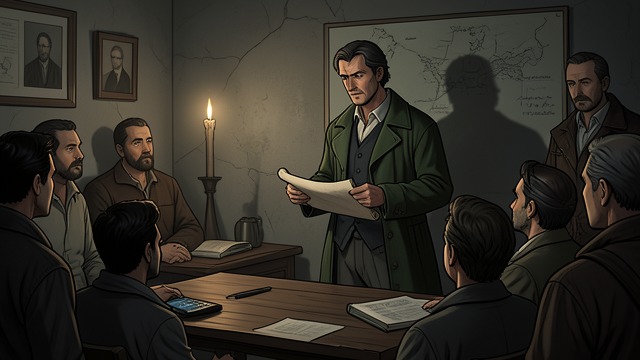
The reader declares that Satan’s days of stealing are over and that he is under the believer’s feet. The confession gathers the book’s theological claims into one dramatic address.
Future Rewritten
The words imagine a changed future in which theft, blame, and intimidation no longer govern the believer’s life. The Word has moved from evidence to expectation.
The flow ends with language aimed at producing resolve.
at the beginning of the book’s teaching
during the first practical exhortation
after the direct accusation
during the teaching on the discovered thief
in the final spoken declaration
